
As we have studied the different aspects and requirements of Spiritual Growth we have learned about the soil, about the seeding, about the tending of vines, dealing with thorns, waiting on the growth, the prescribed fire, the photosynthesis and dealing with the weather but none of the aforementioned things can occur – NO GROWTH can happen and a seed cannot sprout and grow roots and break through the soil to experience photosynthesis or survive the elements without one important thing.
Water. All life requires it. Plant, Human, and Spiritual.
It is essential to survival and not having it can be deadly, but it can also be catastrophic if it is not purified.
In a survival situation, water is paramount. The average person can survive about three days without it. It’s crucial to find and purify water sources to ensure survival. Methods include collecting rainwater, searching for underground water, melting snow or ice, and using condensation from plants. After finding water in a survival situation, it is important to purify the water. Not purifying water poses significant health risks, primarily due to the potential presence of harmful pathogens like bacteria, viruses, and parasites. These contaminants can cause severe illnesses like giardiasis, dysentery, and other waterborne diseases. Furthermore, dehydration, a serious consequence of not having access to safe drinking water, can quickly become life-threatening. Boiling water for at least 3 minutes can kill most pathogens, or they can be cast out through natural filters like sand, gravel, and charcoal to remove sediment.
Waterborne Diseases
Natural water sources like streams, rivers, and lakes may appear clean, but they can harbor various pathogens that can cause severe illnesses. For example, Giardia and Cryptosporidium are common parasites that can cause diarrhea, vomiting, and stomach cramps. Other waterborne diseases include cholera, hepatitis, and typhoid.
Dehydration
Water is essential for survival, and prolonged dehydration can lead to organ damage, hypothermia, and even death. In a survival situation, access to clean water is crucial for maintaining hydration and overall health.
Long-term Health Effects
Chronic exposure to contaminated water, even in small amounts, can lead to long-term health problems. Heavy metals like lead and arsenic can accumulate in the body, potentially causing kidney damage, cancer, and developmental issues in children.
Immunity and Infection
When the body is depleted of essential nutrients and hydration due to drinking unsafe water, it becomes more vulnerable to infections and illnesses. This can exacerbate the severity of waterborne diseases and other health issues.
Lack of Access to Safe Water
In many survival situations, safe water sources may be limited or unavailable. This highlights the importance of learning how to purify water and carrying purification tools like filters or tablets.
John 4:13,14
Jesus answered and said to her, “Whoever drinks of this water will thirst again, but whoever drinks of the water that I shall give him will never thirst. But the water that I shall give him will become in him a fountain of water springing up into everlasting life.”
Have you ever been dehydrated or in a situation where you drank water that wasn’t purified? How about being spiritually dehydrated or having drank of an ungodly (unpurified) spiritual water source?
Conversely, drinking too much water can also be dangerous. It can cause overhydration and lead to water toxicity in your body. While it is rare for someone to die from drinking too much water, it HAS happened. Below is a link to the WebMD page about all of the signs, symptoms, and side effects of overhydration and water toxicity that would be longer than the time we have to cover so take a look at it at your leisure if you’re interested. https://www.webmd.com/diet/what-is-too-much-water-intake
While water is an essential resource it can be a destructive and powerful force or it can be a slow and steady tool used to make a way.
Water can be incredibly destructive, causing erosion, damage from freezing, and contributing to natural disasters like floods, hurricanes, and tsunamis. Its unique properties, like high heat capacity and ability to dissolve substances, while beneficial in many ways, can also contribute to these destructive effects.
Erosion and Weathering
Freeze-Thaw Cycle: Water expands when it freezes, and this expansion can exert pressure on rocks, causing them to crack and break apart over time. This process, repeated over many freeze-thaw cycles, contributes to erosion and weathering.
Hydraulic Action
The force of moving water can physically erode rocks, particularly in rivers and coastlines. Or used in fracking where Fracking, also known as hydraulic fracturing which is a process used to extract natural gas and oil from shale rock formations. It involves injecting a mixture of water, sand, and chemicals into the rock at high pressure to create fractures and release the trapped hydrocarbons. While fracking has been credited with increasing energy production and lowering energy costs, it also faces significant environmental and public health concerns.
Damage from Freezing
Freezing can damage cells in living organisms by disrupting cell membranes due to the formation of ice crystals.
Structural Damage
The expansion of water when it freezes can cause pipes to burst, walls to crack, and other structures to suffer damage.
Natural Disasters
Floods: Water can overwhelm rivers and coastlines, causing widespread destruction and displacement of communities.
Hurricanes and Tsunamis
These natural disasters involve large volumes of water that can cause immense damage to infrastructure and coastal areas.
Water as a Force of Nature
Water’s power in these disasters can be devastating, highlighting its potential for destructive impact.
Dissolving Power
While useful for many applications, water’s ability to dissolve substances can also be a destructive force, contributing to the breakdown of materials.
Heat Capacity
Water’s high heat capacity means it takes a lot of energy to heat up, but it also means it can absorb a lot of heat, potentially leading to steam burns or contributing to the intensity of fires.
Water erosion can be an amazing work of God. Has the Lord ever taken something in your life that at first seemed destructive but used it to make something beautiful of it?
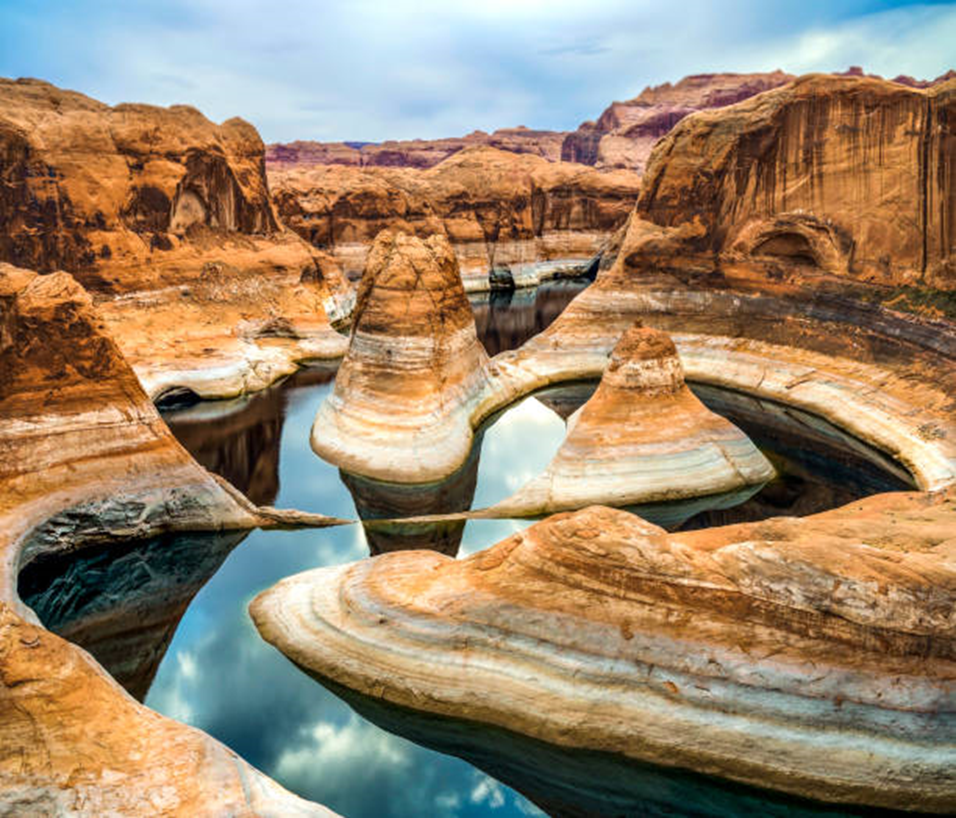
We require water and like so many other things we have studied, if we need it, nature needs it too. Water is just as fundamental to plant life and gardening success as it is to human life and growth. It is necessary in supporting photosynthesis, the cooling of plants, and just as it does in human, in the transporting of essential nutrients. Understanding how much water plants need, the best time to water, and water quality are crucial for healthy gardening practices.
Why Water is Essential for Plants
Photosynthesis: Plants use water, sunlight, and carbon dioxide to produce food through photosynthesis.
Water is necessary for photosynthesis, which is how plants use energy from the sun to create their own food. During this process, plants use carbon dioxide from the air and hydrogen from the water absorbed through their roots and release oxygen as a byproduct. This exchange occurs through pore-like stoma on the leaves.
Nutrient Transport: Water helps dissolve and transport minerals from the soil into the plant’s roots.
Water plays a crucial role in nutrient transport in both plants and animals. In plants, it acts as the primary solvent for nutrients absorbed from the soil, allowing them to move throughout the plant’s vascular system. Similarly, in animals, water dissolves and transports essential nutrients and oxygen to cells, and removes waste products.
Cooling: Water evaporation through tiny pores on leaves helps keep plants cool.
Transpiration is the process where plants release water vapor into the atmosphere through tiny pores called stomata, primarily on their leaves. This process is crucial for cooling the plant, enabling nutrient uptake, and helping with water movement through the plant.
Plant Structure: Plants are mostly water, and it’s essential for their overall structure and function.
Plants are about 80-95% water – if a plant does not get sufficient water, it will wither and die. Likewise, if the soil beneath a plant gets over-saturated it will drown out the roots and damage roots causing the plat to not be able to get oxygen suffocating it in the same way a person would. An indication of this is yellowing and, or wilting of the leaves
Factors Affecting Watering Needs
- Plant Type: Different plants have varying water needs, with some requiring more or less than others.
- Climate: Hot, dry climates require more frequent watering than cooler, humid environments.
- Soil Type: Sandy soils drain quickly, needing more frequent watering than clay soils.
- Terrain: Slopes and well-drained areas may require more water than low-lying, poorly drained areas.
Watering Techniques
- Timing: Water in the early morning or evening to minimize evaporation.
- Depth: Aim for deep watering to encourage strong root growth.
- Frequency: Check soil moisture and water when the top inch or two feels dry.
- Methods: Use soaker hoses, drip irrigation, or watering cans to deliver water effectively.
- Water Quality: While most plants can tolerate tap water, consider using rainwater if possible, as it’s free of chemicals.
Revelation 22:1,2
And he showed me a pure river of water of life, clear as crystal, proceeding from the throne of God and of the Lamb. In the middle of its street, and on either side of the river, was the tree of life, which bore twelve fruits, each tree yielding its fruit every month. The leaves of the tree were for the healing of the nations.
The similarities between humans and plants that we have learned about over the last couple of months have been profound to me – some I knew, some I did not. The same rings true for this week. We are fortunate to have the living water poured out freely for us if we are in Him. The more of that living water we allow ourselves to receive, the more we can grow and begin to produce abundant fruit.
What ways have you grown over the last 8 weeks? Is there any specific instance you can cite or recall where you have put into action what you have learned here and grown spiritually?
-DC

 VRCF Young Adults
Leave a comment